
Neonatal Education for Prehospital Professionals™ (NEPP™)
Preparing Prehospital Teams for Neonatal Emergencies
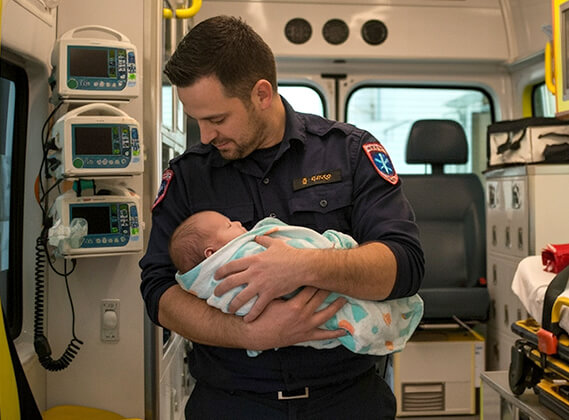
Neonatal Education for Prehospital Professionals™ (NEPP™) is a new online True Adaptive eLearning course from the American Academy of Pediatrics designed to prepare prehospital clinicians to confidently assess, resuscitate, and stabilize newborns in out-of-hospital emergency settings.
 |
 |
Approximately
83,000
Out-of-hospital births occur annually,1 highlighting the importance of EMS clinicians being prepared to confidently respond when needed.
Confidently Manage Neonatal Emergencies in the Field
Neonatal Education for Prehospital Professionals™ (NEPP™) is a comprehensive eLearning course that equips EMS clinicians with the essential skills needed to manage neonatal resuscitation and stabilization during out-of-hospital births and neonatal emergencies. Designed for both BLS and ALS clinicians and does not require a prerequisite course. The NEPP™ course supports safe, effective care when neonatal expertise and resources may be limited.
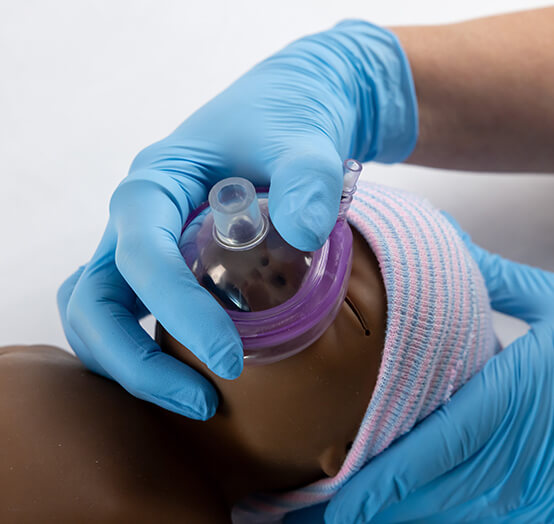
Specialized Prehospital Clinician Neonatal Modules
The course delivers five specific modules covering unique challenges of neonatal emergencies in the field, helping EMS Clinicians build foundational knowledge, clinical judgement, and confidence when caring for newborns during the critical first minutes of life:
- Introduction and Preparation for Birth in the Field
- Initial Assessment
- Neonatal Resuscitation
- Post Delivery Care and Complex Newborn Conditions
- Systems of Care and Support
True Adaptive™ eLearning
Delivered in an eLearning format, the NEPP™ course leverages True Adaptive learning technology.
This innovative algorithm moves backwards and forwards through the learning objectives of the course to achieve 100% proficiency in the most efficient way. Novice learners have faster knowledge acquisition and expert learners only receive content they need.
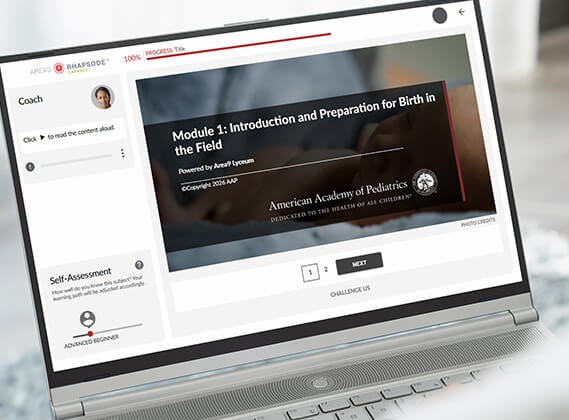
Completion and Continuing Education
By completing the course, learners demonstrate their readiness to recognize neonatal compromise, initiate appropriate interventions, and communicate effectively with families and receiving facilities. Successful participants are eligible for CE credits and will earn a NEPP Provider certificate valid for two years.
FAQs
Nearly
55%
More out-of-hospital births have occurred over the past decade. As the number of out-of-hospital births continue to rise, the need for targeted neonatal education for EMS Clinicians has never been greater.2